Core lanes
4
Delivery, shared services, workforce, and commercial ops
Start where coordination pressure is already high.Solutions
Stark fits teams where requests, planning, staffing, approvals, delivery, and finance shape the same outcome. It is built for governed execution, not generic task tracking.
Delivery, shared services, workforce, and commercial ops
Start where coordination pressure is already high.Requests, planning, approvals, and execution stay linked
One operating system instead of separate workflow tools.Growth Ops, Scale Ops, and Enterprise Ops
Start small, then expand with more control.By Team
Most customers begin with delivery, shared services, workforce operations, or commercial handoff. The same patterns show up across consulting, shared services, field ops, and regulated teams.
For PMOs and delivery leads replacing spreadsheets, task boards, and status decks.
Project-led delivery teams
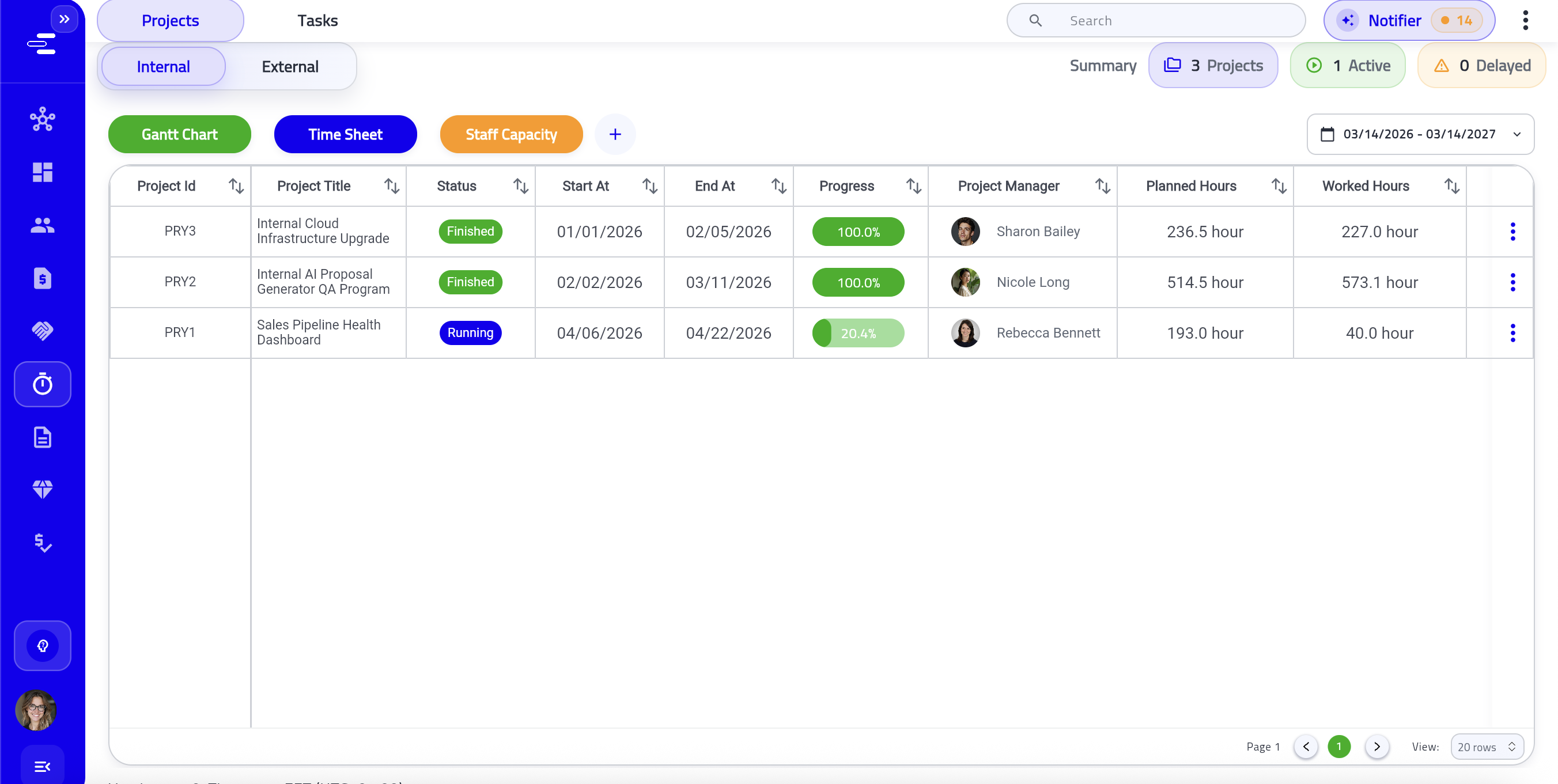
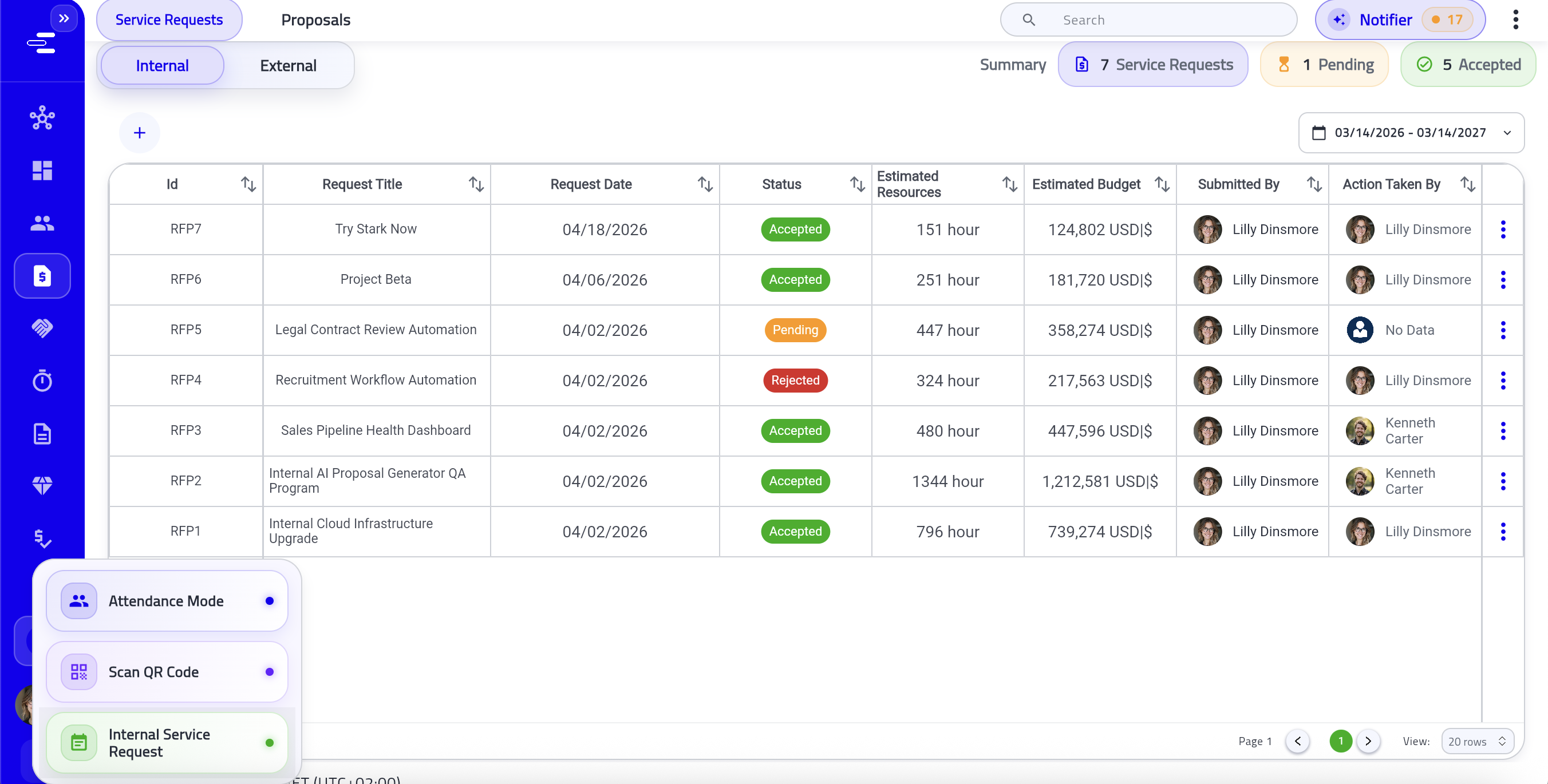
For HR, finance, IT, procurement, and high-volume internal service requests.
Shared service teams
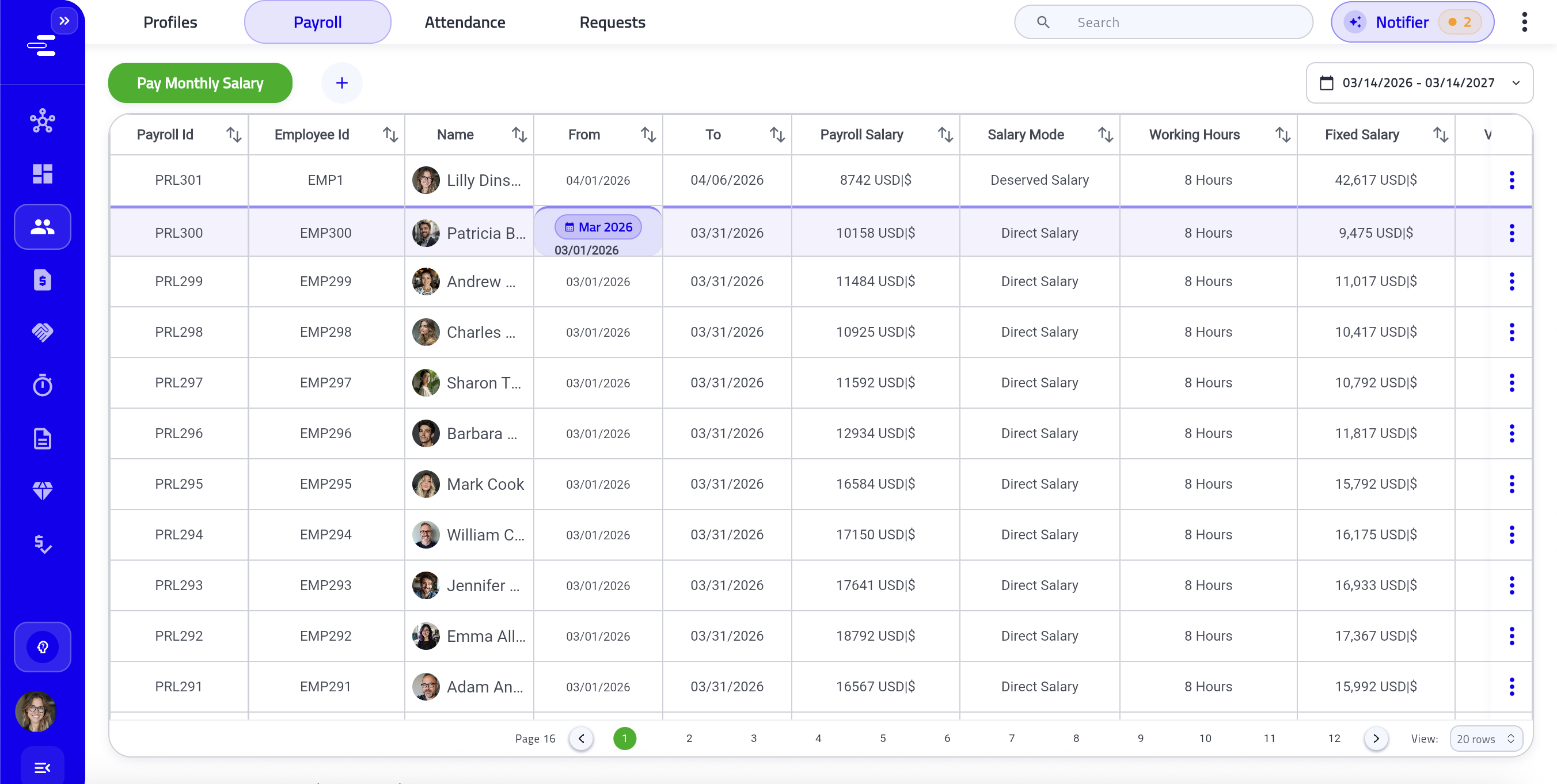
For teams that need workforce and cost decisions tied to real demand.
Workforce, payroll, and people ops
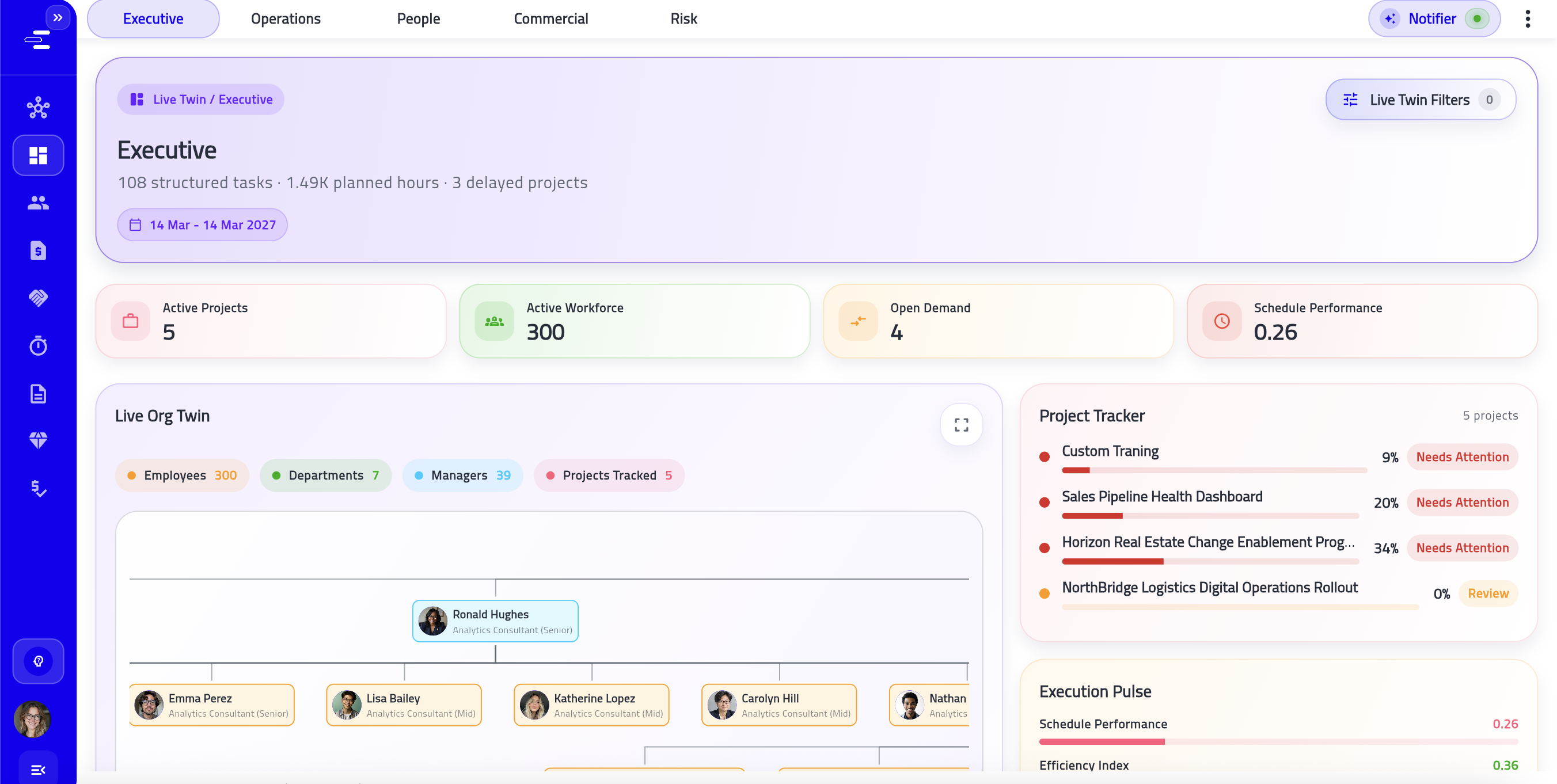
For teams selling work that must align with capacity and approvals before commitment.
Commercial and account teams
By Industry
Stark is strongest in project-led, service-led, and governance-heavy environments where work needs one operating model instead of fragmented tools.
Best when proposals, project plans, utilization, and delivery status need to read from the same operating layer.
Best for HR, finance, IT, procurement, and cross-functional internal teams that need one intake path.
Best when approvals, reporting lines, auditability, and executive visibility must stay controlled at scale.
By Organization Stage
The product stays connected at every stage. What changes is how many teams and controls you bring in on day one.
Best when one team still runs work across forms, spreadsheets, and chat.
Best when multiple teams already depend on the same requests, staffing, and reporting.
Best when approvals, reporting lines, and governance must stay controlled across units.
Operational case studies
Each scenario maps the operating loop Stark replaces and the measurable value teams get back when planning, people, cost, and execution stay connected.
Stark compressed tender preparation from months of manual study into eight working days with one engineer and zero calculation or scheduling errors.
7x more project volumeOne connected delivery plan keeps scope, staffing, risk, and execution aligned instead of bouncing across disconnected tools.
75% less tool switchingLeave, attendance, and availability feed directly into staffing decisions, so teams stop planning delivery with stale people data.
50% fewer systems to manageCost, workload, risk, and reporting stay visible while teams can still intervene instead of surfacing after the damage is done.
17d earlier visibility to actNext Step
We can map the right operating lane, rollout depth, and pricing path based on where the coordination pressure is highest today.
Book Demo
Share a few details and request a demo with the Stark sales team.