Solutions

Choose the Stark solution for your team, company stage, or industry.

Whether you run revenue handoffs, multi-team delivery, workforce planning, regulated approvals, or complex service operations, Stark gives you one AI operating system adapted to the environment behind the work.

The product stays the same. What changes is the operating context, policies, workflows, and decision pressure Stark is built to manage.

By Team

Different teams use Stark for different operating pressure.

These are the main team-led solution paths already implied by the site navigation and product positioning.

Revenue & Sales

Turn pipeline commitments into executable delivery plans.

Model staffing, approvals, budgets, and delivery reality before revenue promises become operational risk.

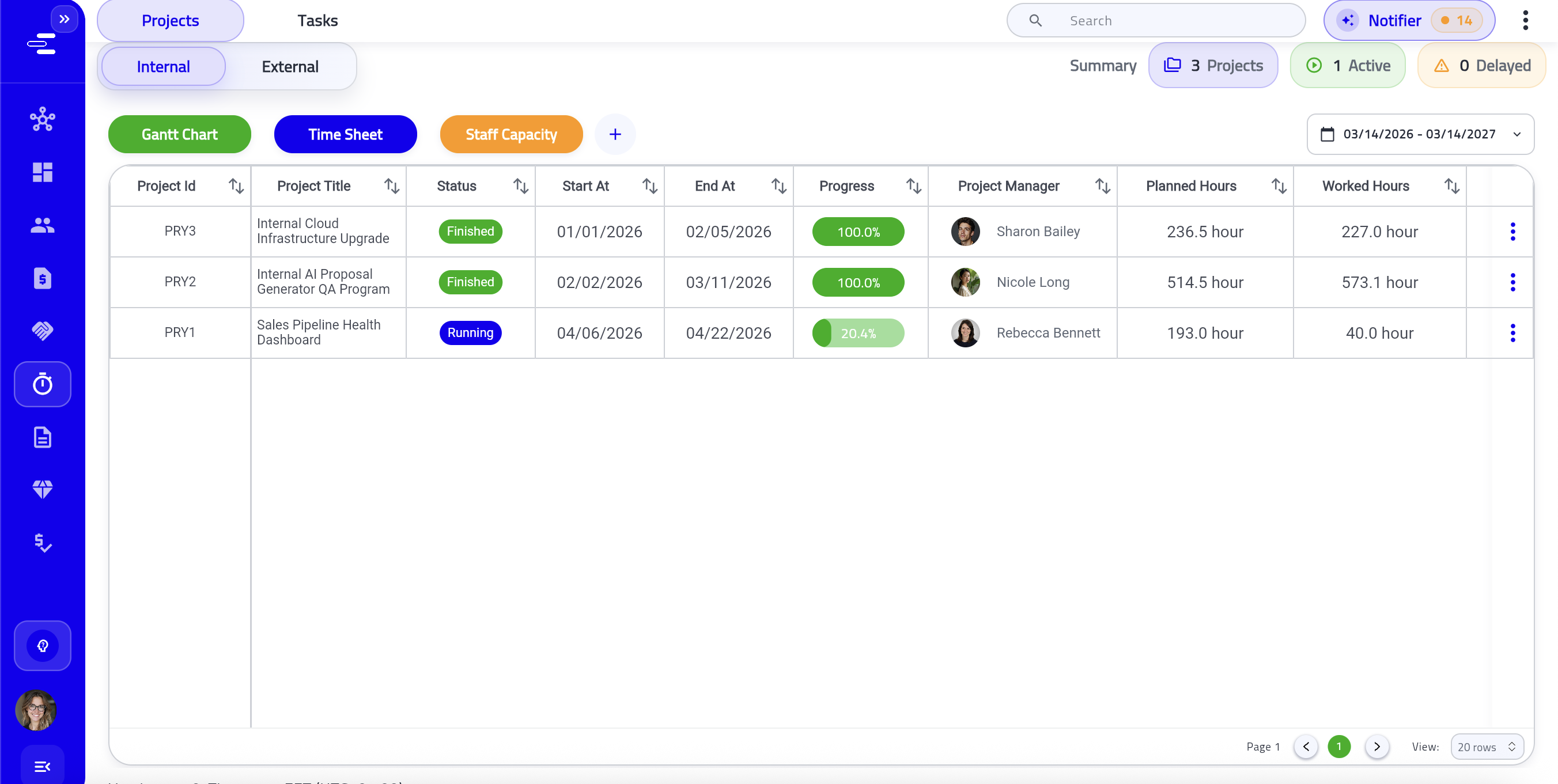
  • Study delivery feasibility before work is sold.
  • Expose staffing and approval gaps early.
  • Forecast margin and execution risk before launch.
Consultant Planner Financer
Operations & Delivery

Coordinate projects, handoffs, and dependencies from one operating layer.

Give operations teams live control over plans, workloads, blockers, and delivery pressure across departments.

  • Sequence work with clear dependencies and owners.
  • Balance workload across teams in real time.
  • See delay risk before delivery slips.
Planner Estimator Balancer
Finance & People

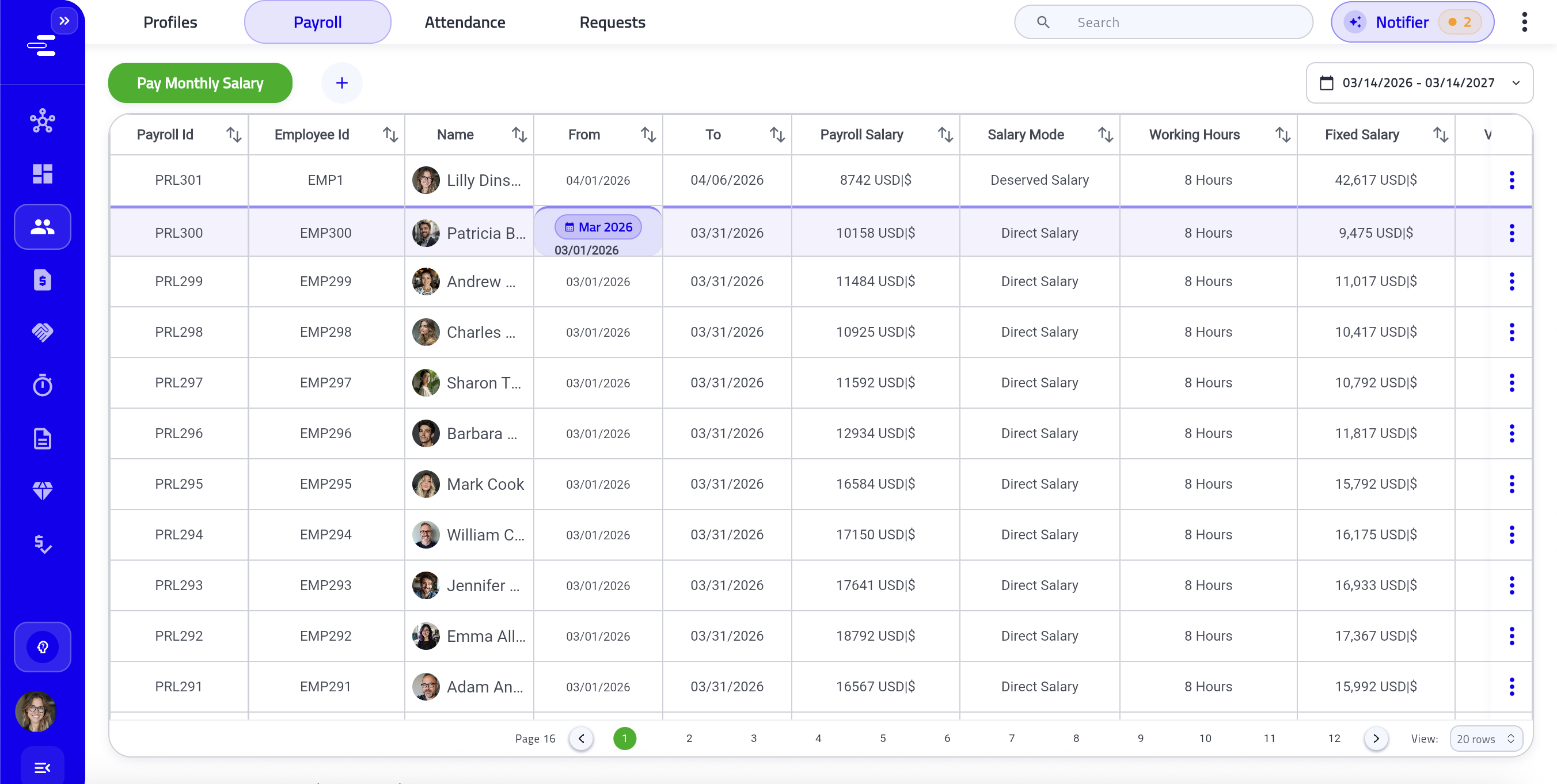
Connect workforce planning, payroll context, and budget decisions.

Run people and finance decisions against real operating demand instead of isolated spreadsheets and approvals.

  • Model staffing changes against cost and utilization.
  • Connect leave, payroll readiness, and delivery impact.
  • Govern requests and policy-based approvals.
Financer Balancer Consultant
Support & CX

Run intake, escalations, and service execution with live visibility.

Standardize request handling while keeping owners, risk, and service pressure visible to leadership.

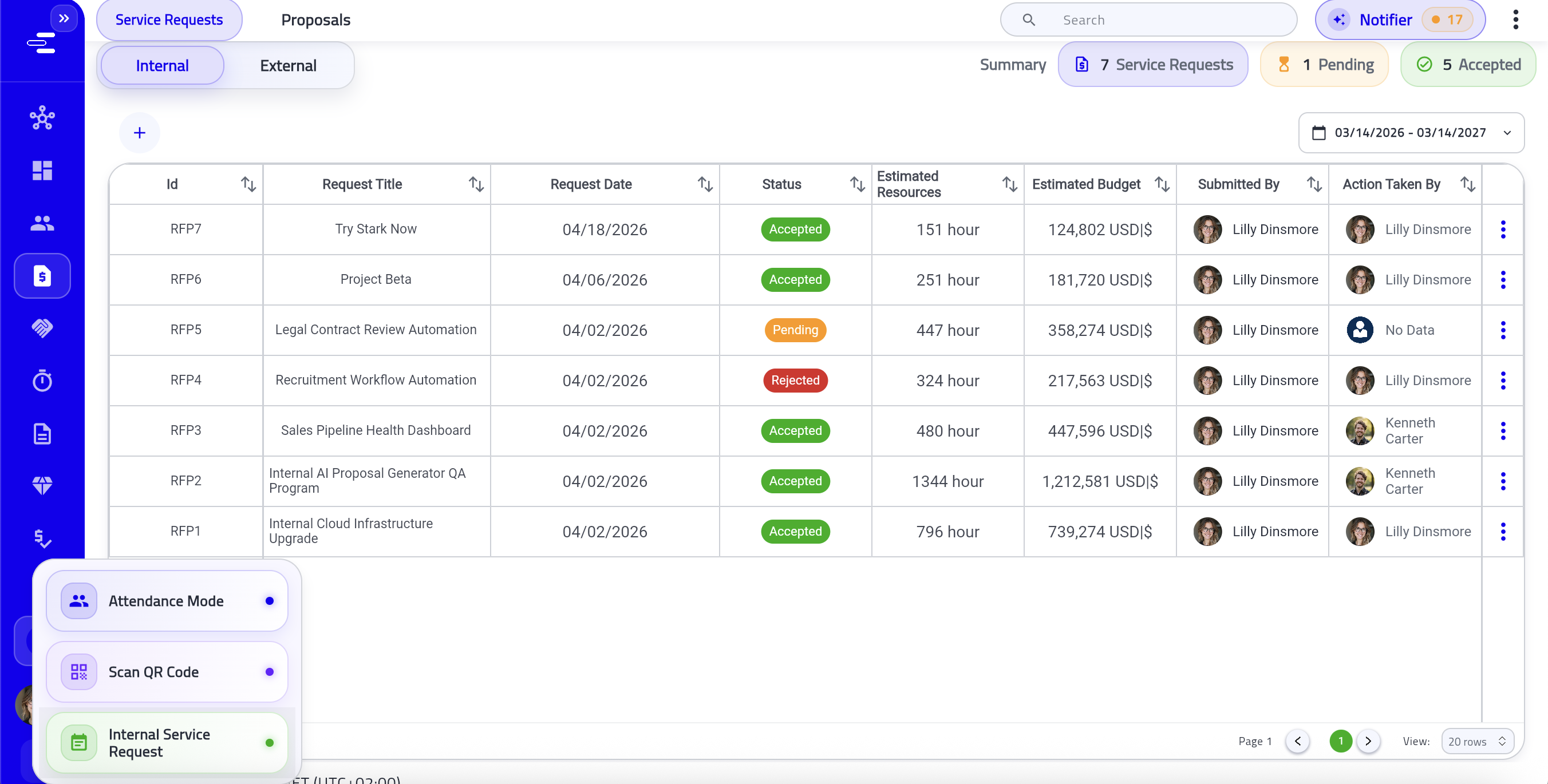
  • Structure request and escalation workflows.
  • Balance queues based on real capacity.
  • Surface SLA and blocker risk faster.
Consultant Planner Balancer

By Organization Stage

Stark changes as operating complexity changes.

The core platform stays the same. The rollout model, governance depth, and execution scope adapt to company stage.

Scaleups

Replace tool sprawl before growth turns into operating debt.

Build structure, planning, and execution discipline early without hiring a heavy PMO or stitching five systems together.

  • Stand up teams, roles, and workflows quickly.
  • Unify projects, requests, and workforce decisions.
  • Give founders live visibility without extra reporting layers.
Enterprise

Coordinate multi-team execution with stronger control and live intelligence.

Run cross-functional programs, approvals, staffing decisions, and leadership reporting in one operating system.

  • Support cross-department planning and re-planning.
  • Enforce governance, ownership, and approvals.
  • Compare scenarios before leadership commits.
Public Sector

Bring structure and accountability to complex service environments.

Standardize workflows, approvals, and operating visibility across teams that need traceability and governed execution.

  • Clarify roles, approvals, and reporting lines.
  • Track delivery across departments and service units.
  • Give leadership an auditable view of execution status.

By Industry

Strongest where operations, approvals, staffing, and execution need one system.

These industries fit Stark well because the real problem is not task tracking. It is governed execution across teams, workflows, and leadership decisions.

Financial Services

Coordinate regulated workflows, approvals, staffing, and delivery in one controlled operating layer.

Best for Regulated approval chains, staffing-sensitive delivery, and budget-controlled operations.
Common workflows Approvals, service change requests, staffing allocation, and audit-ready reporting.
Consultant Financer Balancer

Telecom

Manage rollout programs, dependencies, field execution, and capacity pressure across distributed teams.

Best for Rollout programs, field operations, and multi-team service delivery.
Common workflows Program planning, dependency management, workforce balancing, and escalation control.
Planner Estimator Balancer

Logistics & Supply

Balance requests, handoffs, staffing, and delivery risk across high-volume operations.

Best for High-volume handoffs, distributed teams, and capacity-sensitive execution.
Common workflows Request routing, shift planning, exception handling, and delay forecasting.
Planner Estimator Balancer

Government Services

Standardize case flow, approvals, and multi-team execution with stronger governance and visibility.

Best for Policy-governed workflows, service units, and cross-department accountability.
Common workflows Case flow, approvals, staffing governance, and executive reporting.
Consultant Planner Financer

Real Estate

Control portfolios, projects, approvals, vendors, and resourcing across properties and teams.

Best for Portfolio programs, vendor coordination, and multi-property operations.
Common workflows Project planning, approvals, workforce allocation, and budget tracking.
Planner Estimator Financer

Architecture & Design

Plan projects, allocate specialists, manage review cycles, and forecast delivery pressure early.

Best for Specialist allocation, review cycles, and deadline-sensitive project delivery.
Common workflows Proposal-to-delivery planning, staffing, revision cycles, and utilization balancing.
Planner Estimator Balancer

Shared Operating Engine

Every solution uses the same Stark Core AI operating engine.

Revenue, delivery, finance, support, enterprise, and industry workflows all run on the same specialized roles. What changes is the operating context, policies, and decision logic, not a separate product.

Consultant Planner Estimator Financer Balancer

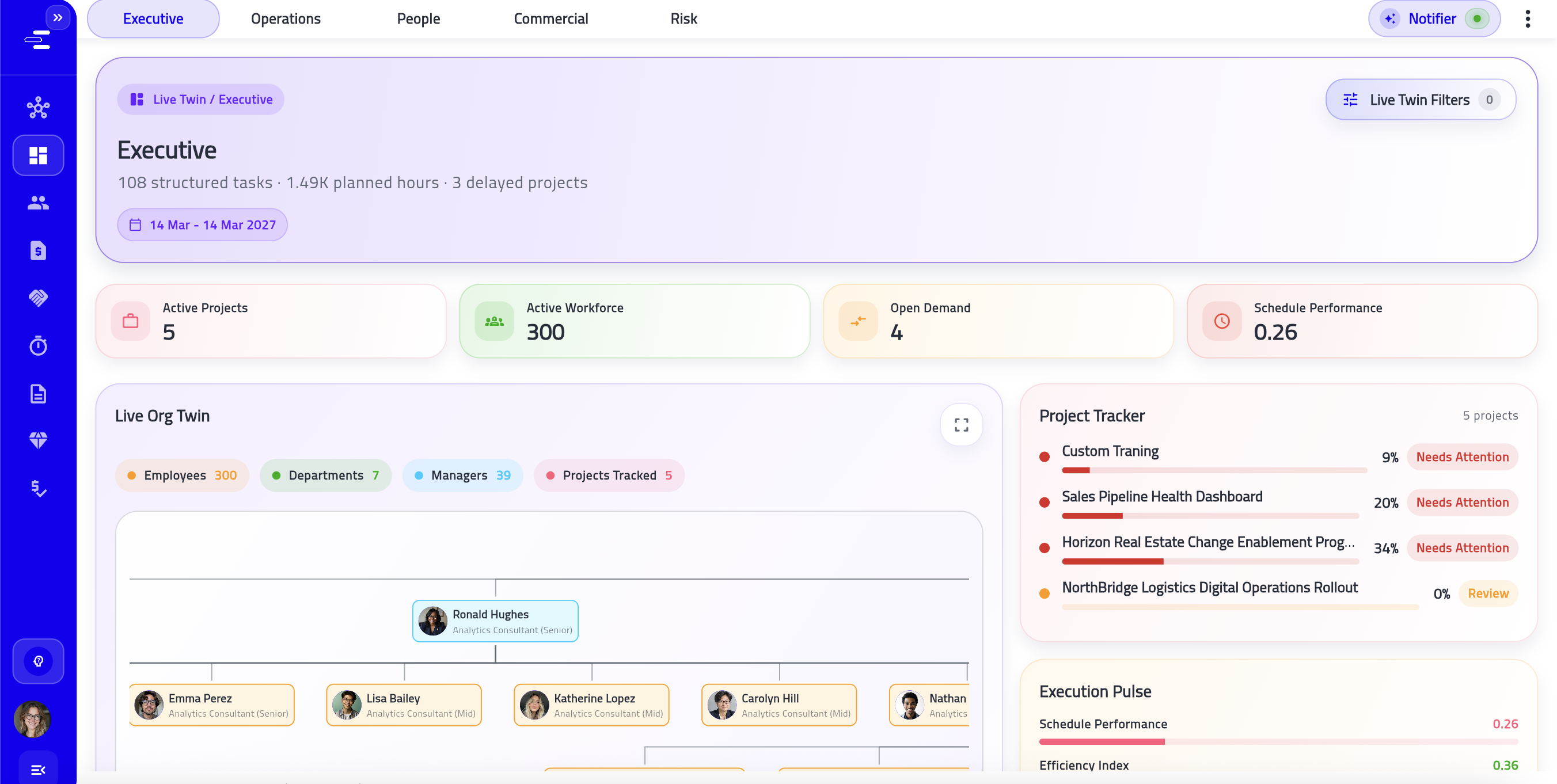
Build the company model first

Structure departments, roles, reporting lines, policies, and governed workflows before execution starts.

Plan before you commit

Estimate timelines, staffing, cost, and dependencies before projects or requests are launched.

Run allocation from live capacity

Assign work based on workload, skills, availability, and operating pressure across teams.

Give leadership one live view

Surface blockers, delay risk, workforce pressure, and execution health in one operating system.

Proof and Outcomes

What teams improve when Stark becomes the operating layer.

The exact gains depend on the environment, but the pattern is consistent: faster planning, fewer delays, less manual coordination, and stronger visibility across the business.

Up to 90%

faster planning before execution starts

Reduce manual scoping, staffing checks, and dependency mapping before work is committed.

Up to 40%

fewer operational delays across teams

Surface blockers, approval pressure, and delivery risk earlier so teams can replan sooner.

Up to 60%

less manual coordination overhead

Replace fragmented follow-up across chat, spreadsheets, PM tools, and status meetings.

5-10 tools

consolidated into one operating platform

Unify projects, requests, approvals, workforce context, and leadership visibility in one system.

Next Step

Find the Stark setup that fits your organization.

See the product in action, review the plans, or talk through the right rollout path for your team, company stage, and operating environment.