Model your organization
Start from teams, roles, services, approvals, and reporting lines instead of rebuilding context inside every request.
Product
Stark connects the live twin, requests, capacity, execution, and reporting in one operating layer teams can actually run from.
Start with the twin
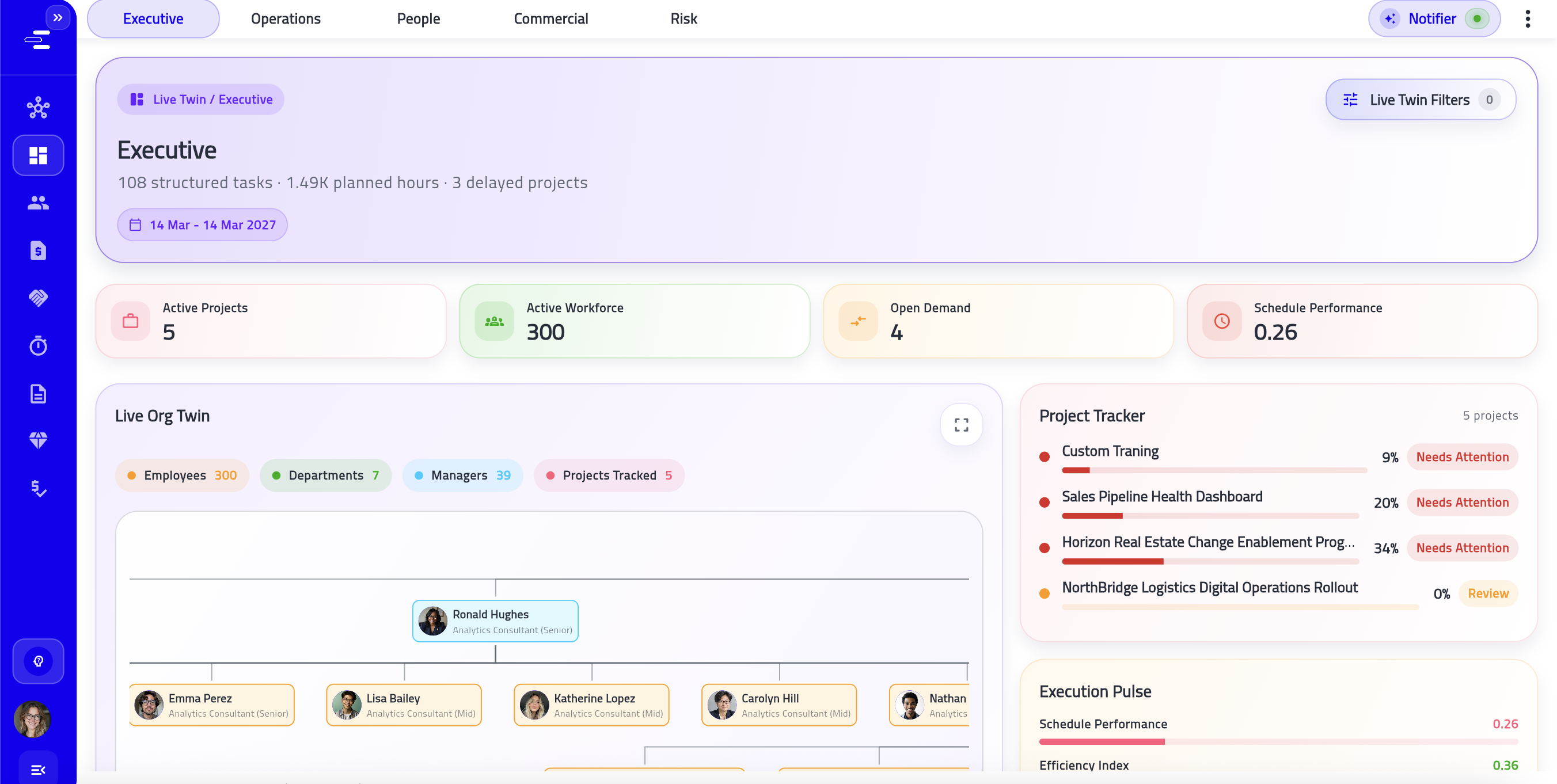
Teams, services, approvals, and workforce logic live in one shared operating layer, so every request starts from how the organization actually works.
What Stark actually does
Six core capabilities. One operating system. Built to help teams see the value fast.
Start from teams, roles, services, approvals, and reporting lines instead of rebuilding context inside every request.
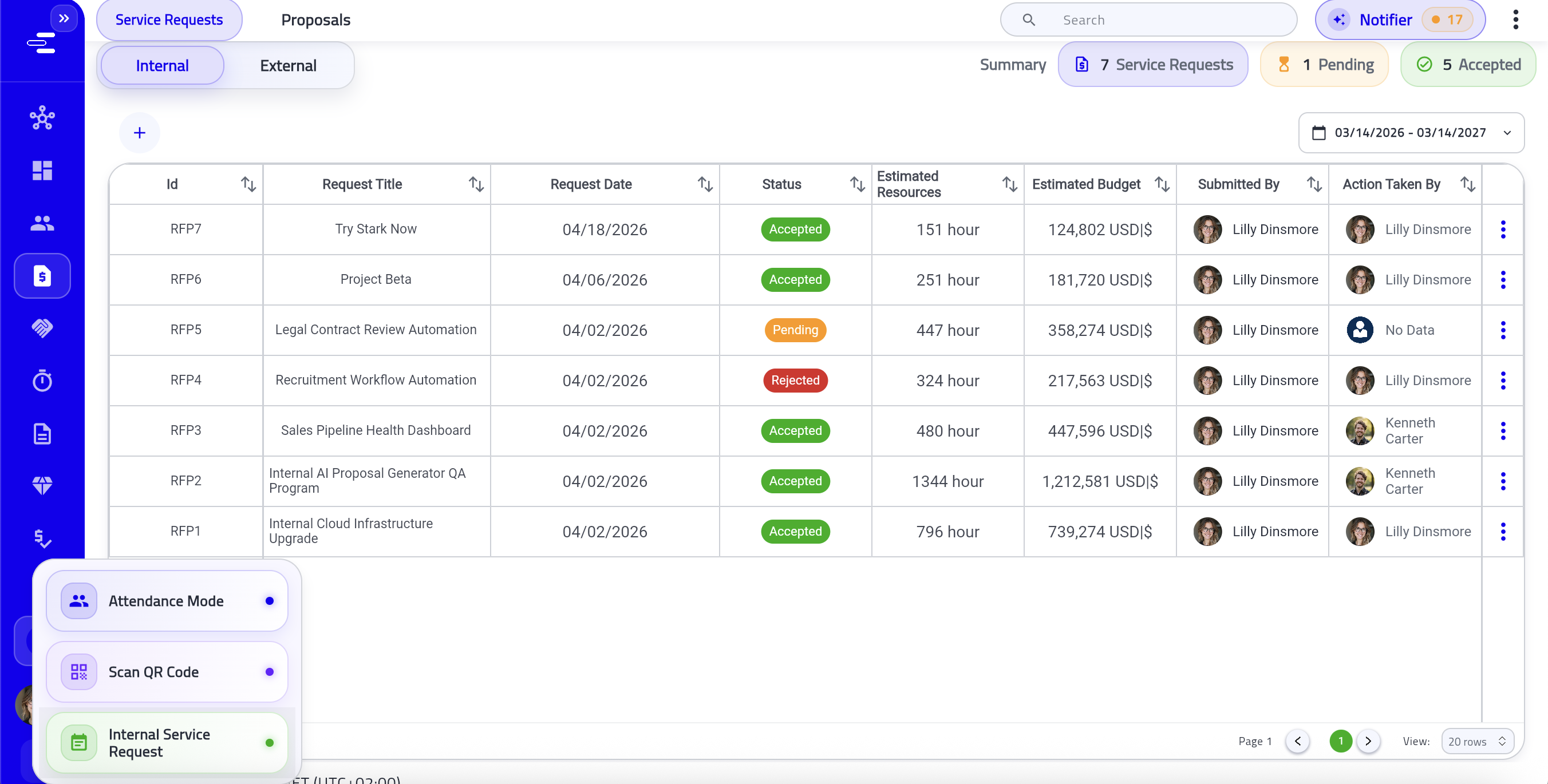
Bring work in with scope, ownership, and delivery context attached before execution starts.
Review delivery details, resources, and decision context before proposals move forward.
Staff work against live workload, leave impact, and actual team availability.
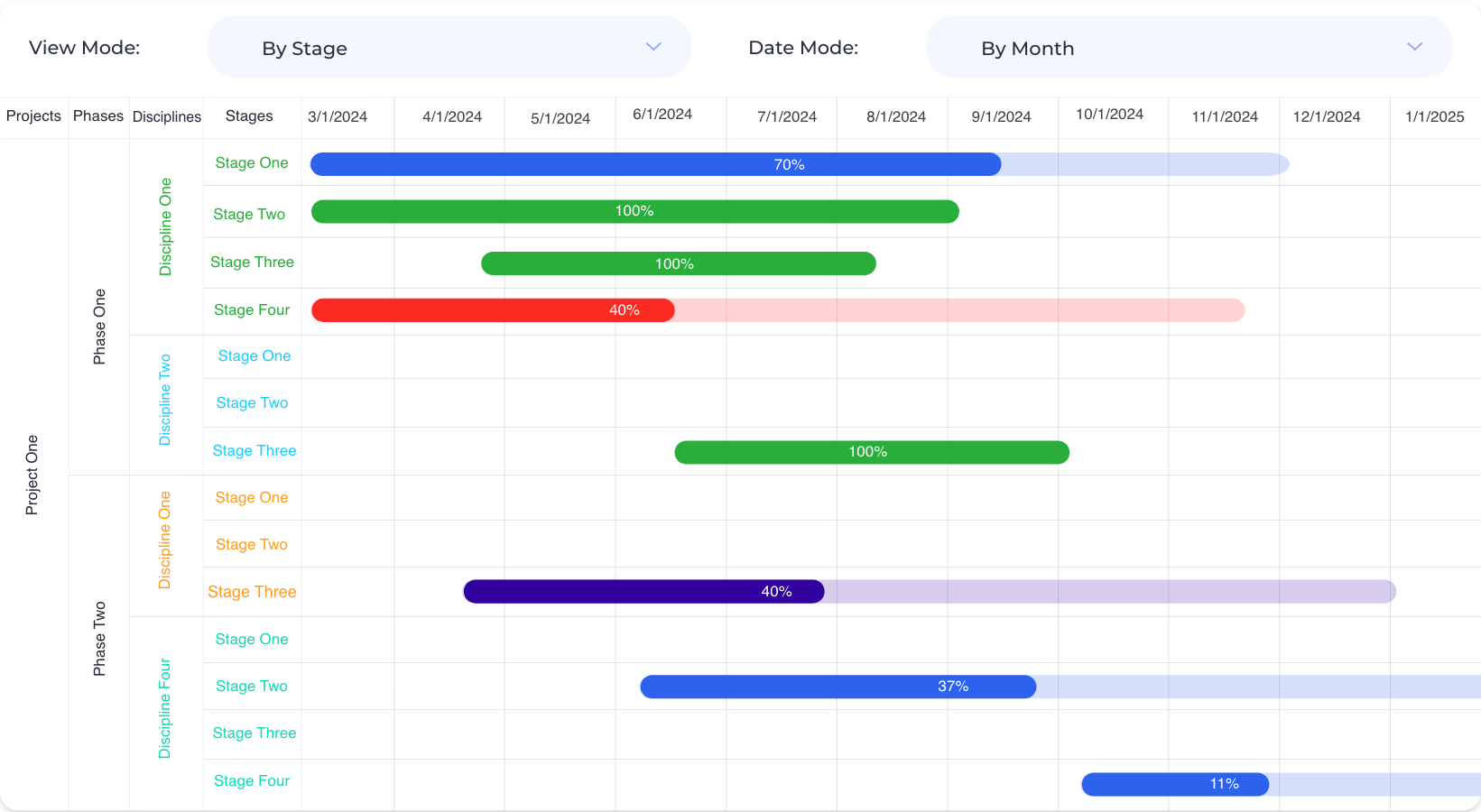
Keep plans, timelines, and execution movement connected in one operating view.
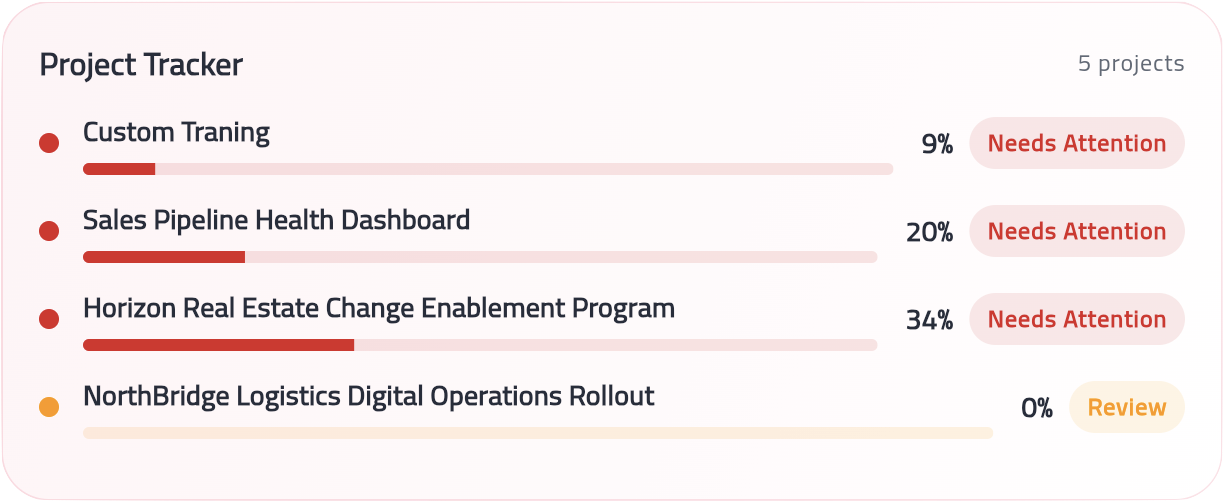
See project pressure, risk alerts, and delivery performance before teams drift off plan.
Products inside Stark
Delivery, HRM, and commercial + finance all run in the same Stark system.
Delivery suite
Requests, proposals, planning, projects, deliverables, and reporting all stay connected instead of breaking across separate tools.
Requests
Bring service and project requests in with ownership, scope, budgets, and approval context already attached.
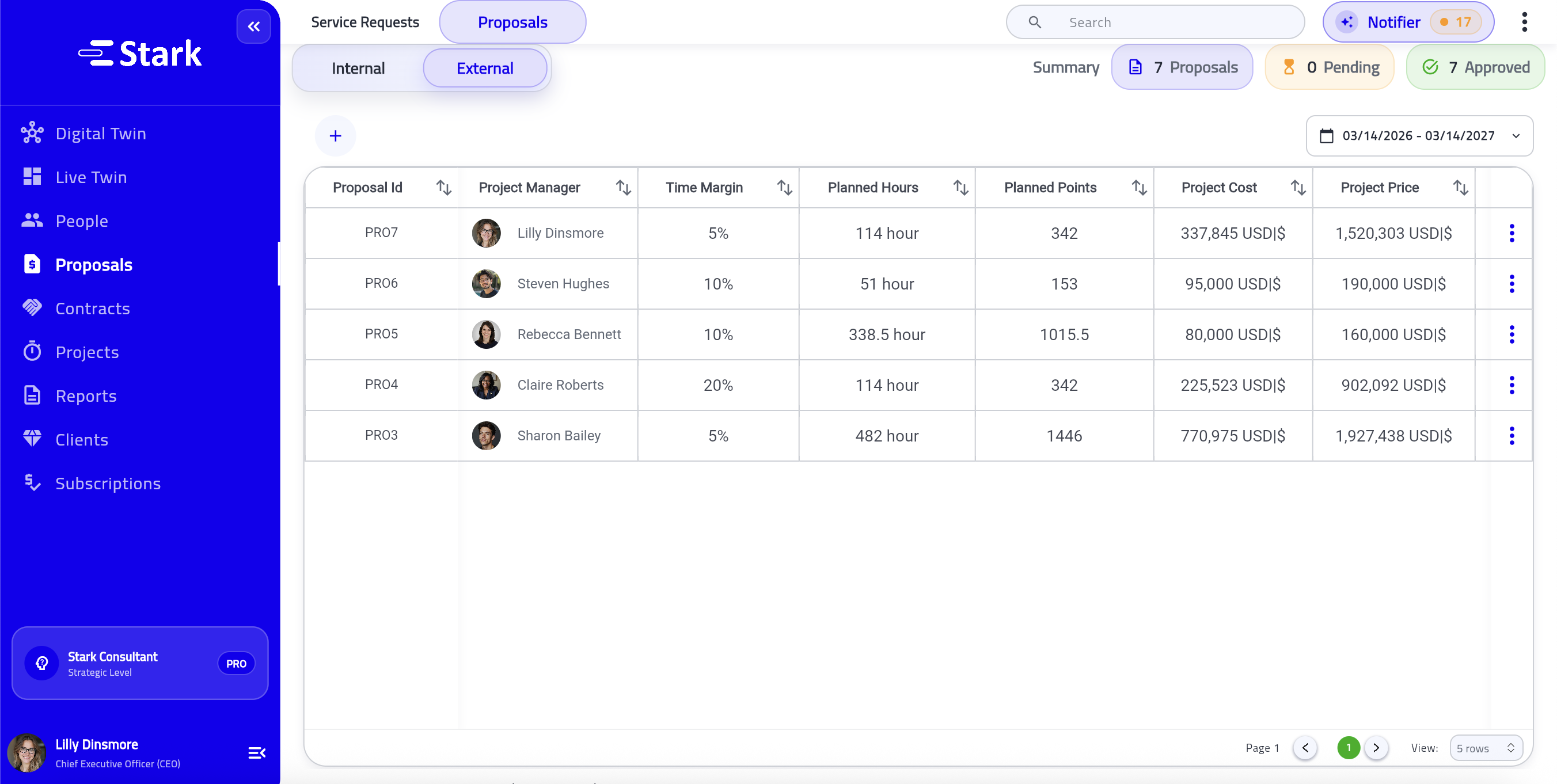
Proposals
Study the project, commercial, and staffing context before work is approved and committed.
Planning
Stark builds the critical path of your project plan, lets you test fast track, normal track, or slow track, and shows the skill set, workload, and capacity fit before execution starts.
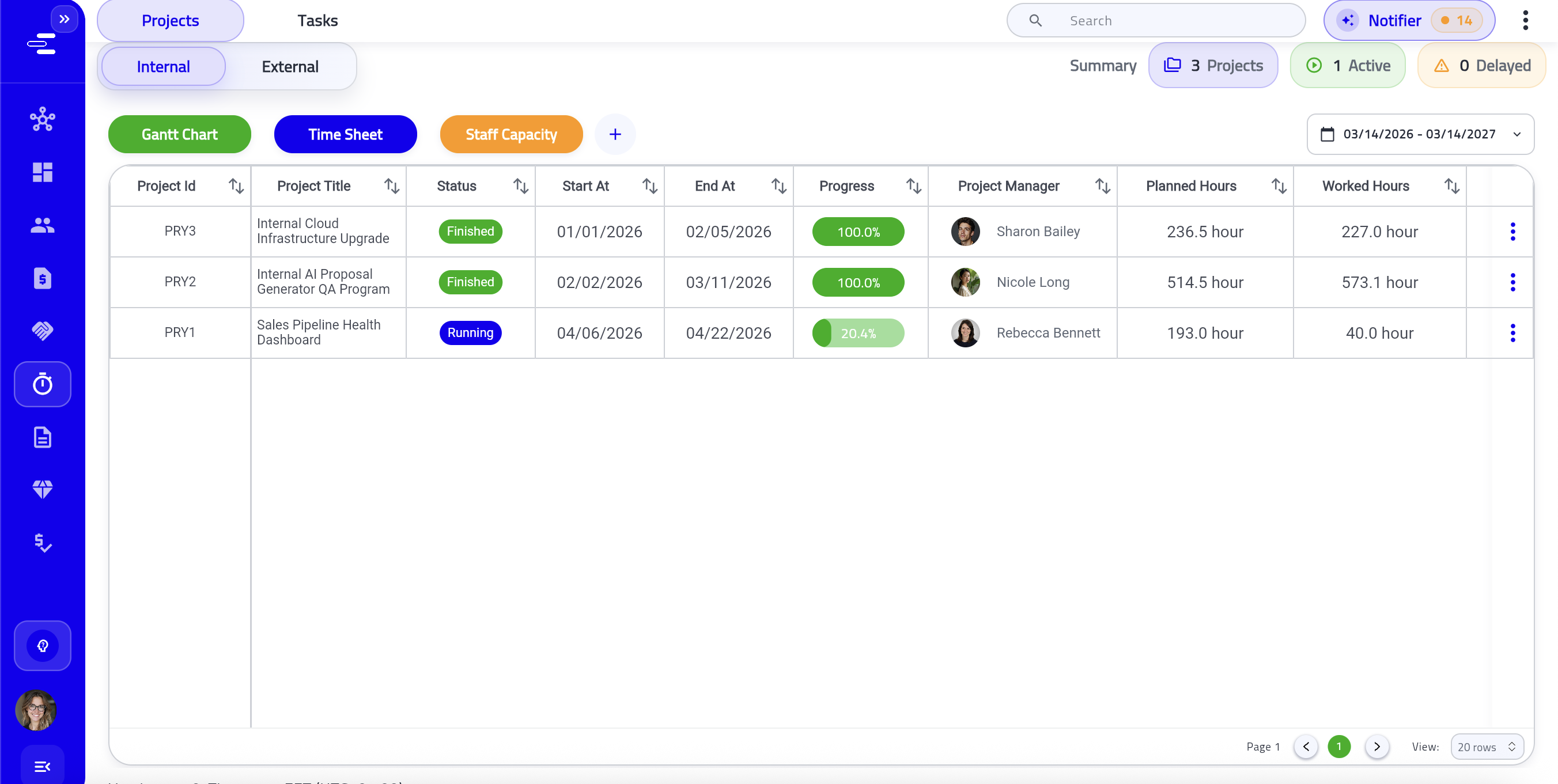
Projects
Once work is approved, Stark keeps project state, phases, owners, and delivery visibility in one operating view.
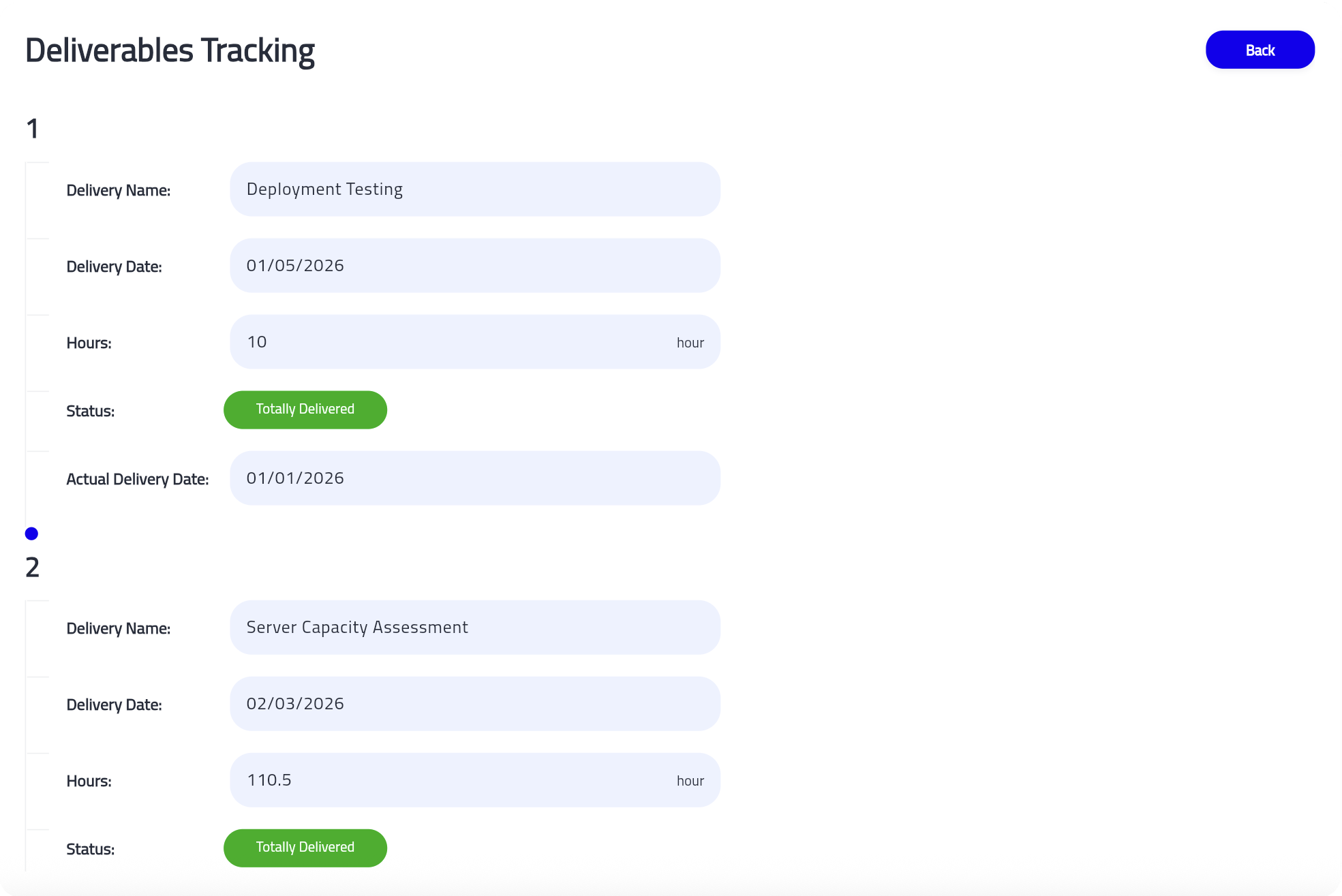
Deliverables
Milestones, deliverables, and completion state stay visible so teams know what is blocked, ready, or at risk.
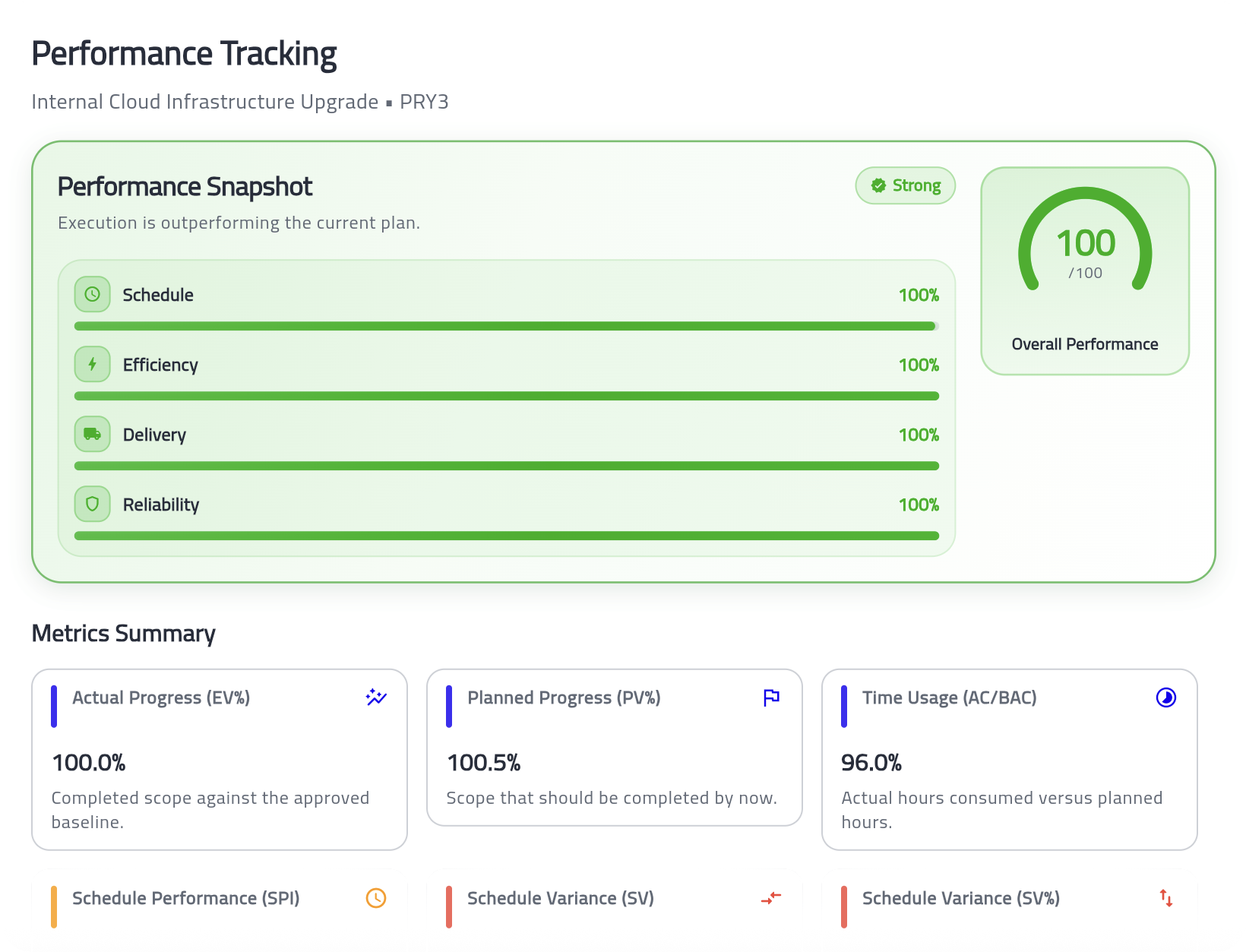
Reporting
Instead of waiting for dashboards after the fact, Stark keeps delivery pressure, risk, and performance visible while work is still recoverable.
HRM suite
Profiles, competencies, attendance, leave, overtime, and payroll feed the same system used to plan work and run delivery.
Employees
Profiles, reporting lines, and role context stay connected to projects, staffing, and approvals.
Structure
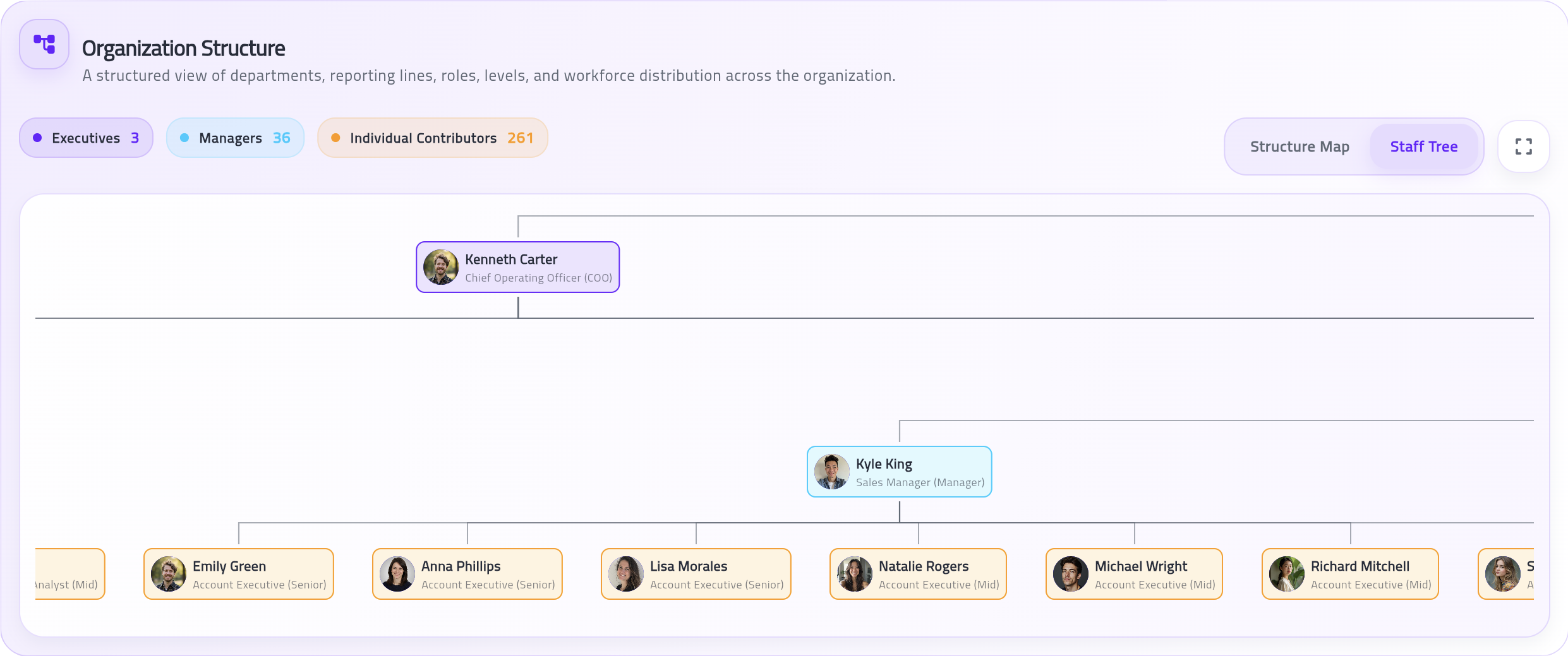
Org structure, staff trees, and reporting lines remain part of the same live twin used to run delivery.
Competency
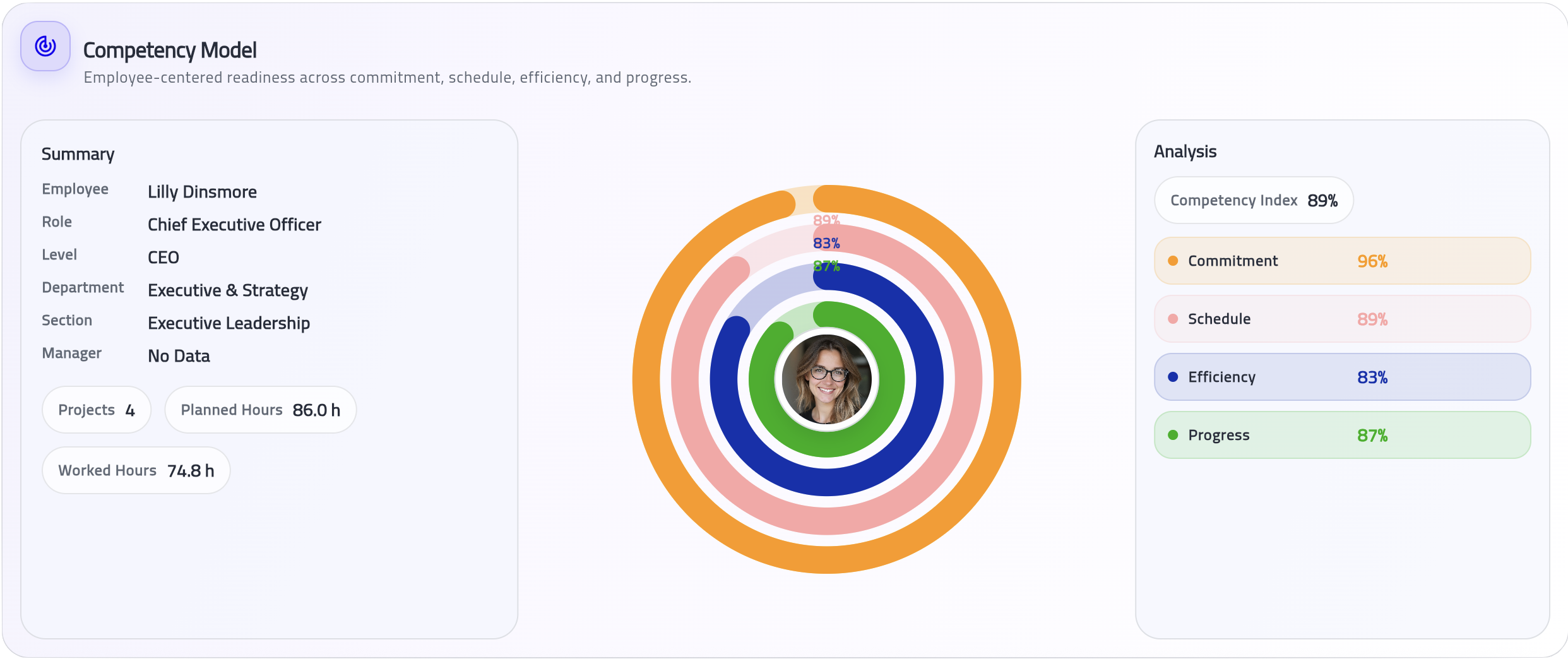
Stark keeps competencies tied to people so staffing and planning can match work to the right skill fit.
Attendance
Attendance and machine data feed the same operating logic used to assess actual availability.

Leave
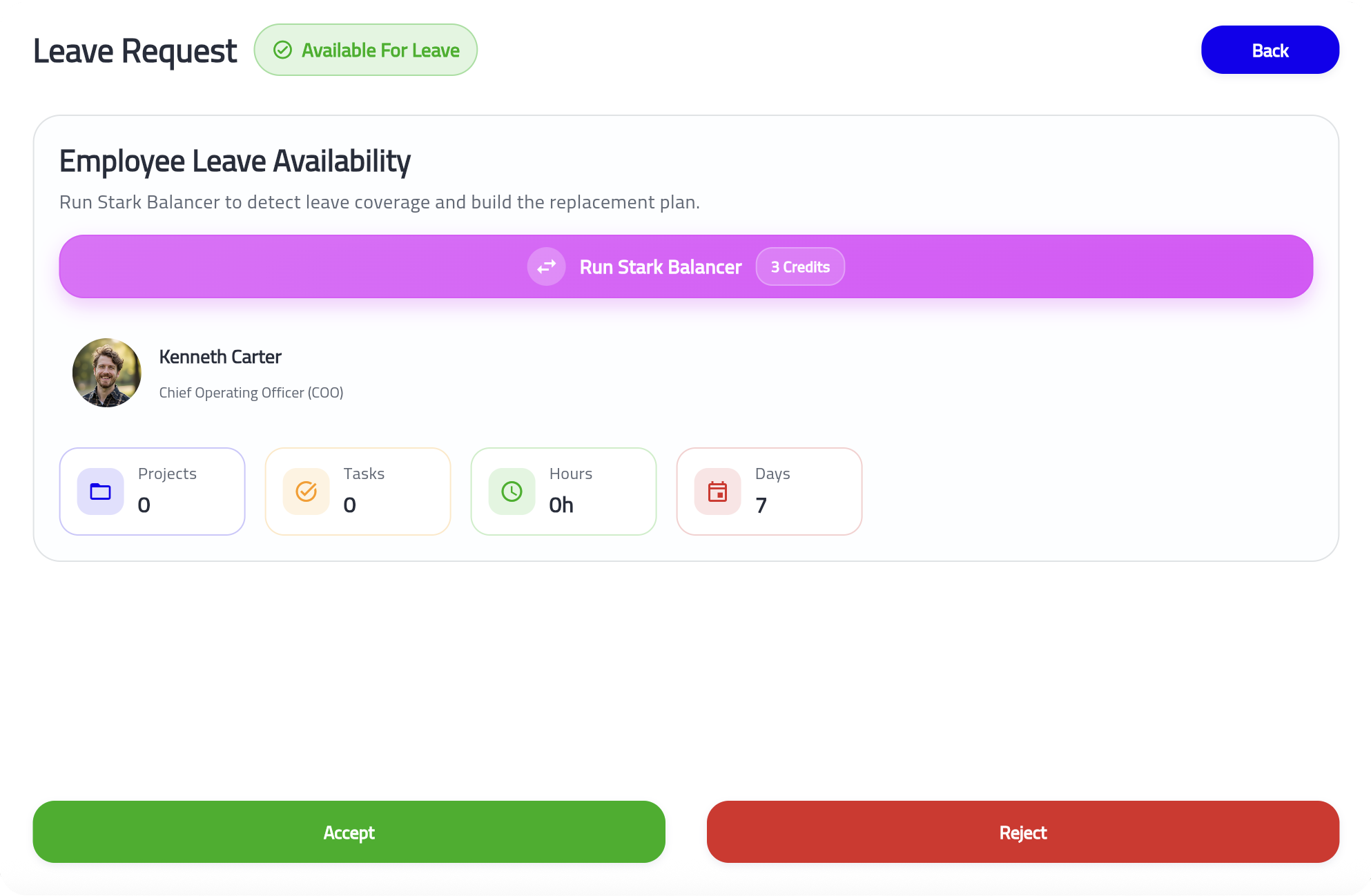
Leave is not just an HR workflow. Stark shows the load and capacity impact before the request is approved.
Overtime
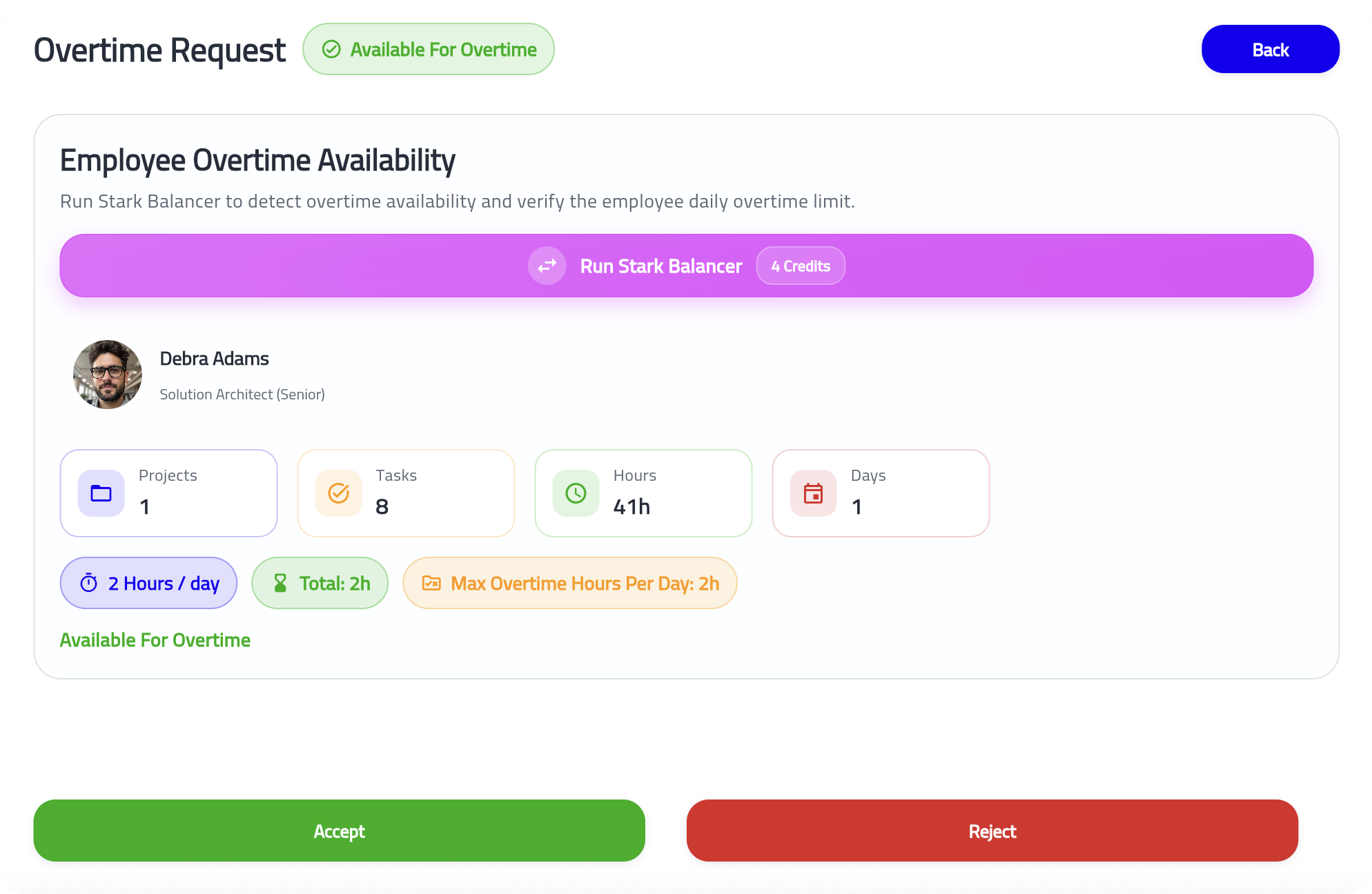
Before overtime is approved, Stark shows why the overload exists and how it affects delivery capacity.
Payroll
Paymaster and payroll features keep payouts connected to approved work, attendance, overtime, and compensation logic.
Commercial + finance suite
Commercial context does not disappear after approval. Stark keeps clients, contracts, finance, and collections next to the same projects and delivery decisions.
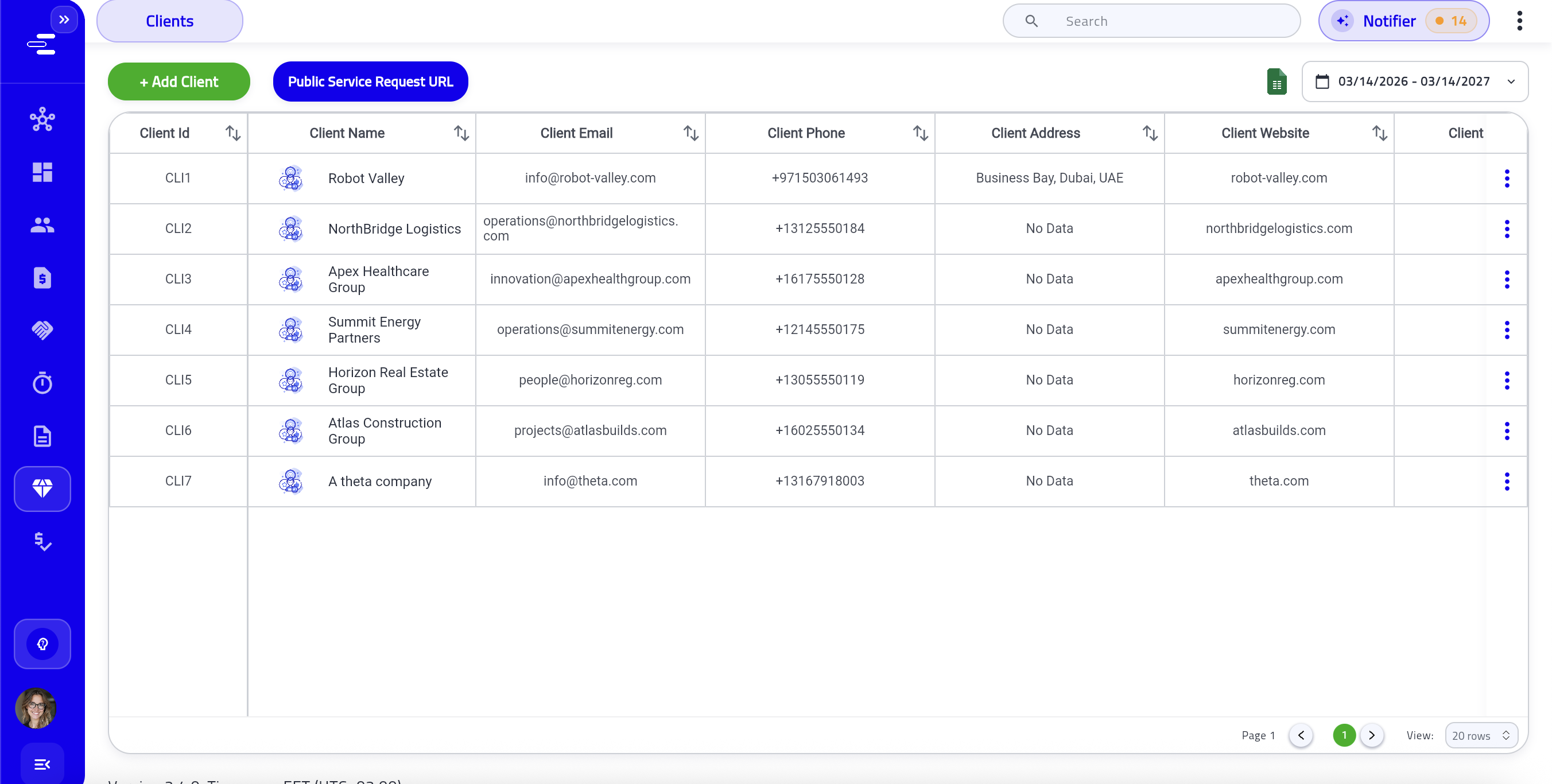
Clients
Accounts, commercial context, and service relationships stay attached to requests, contracts, and delivery history.
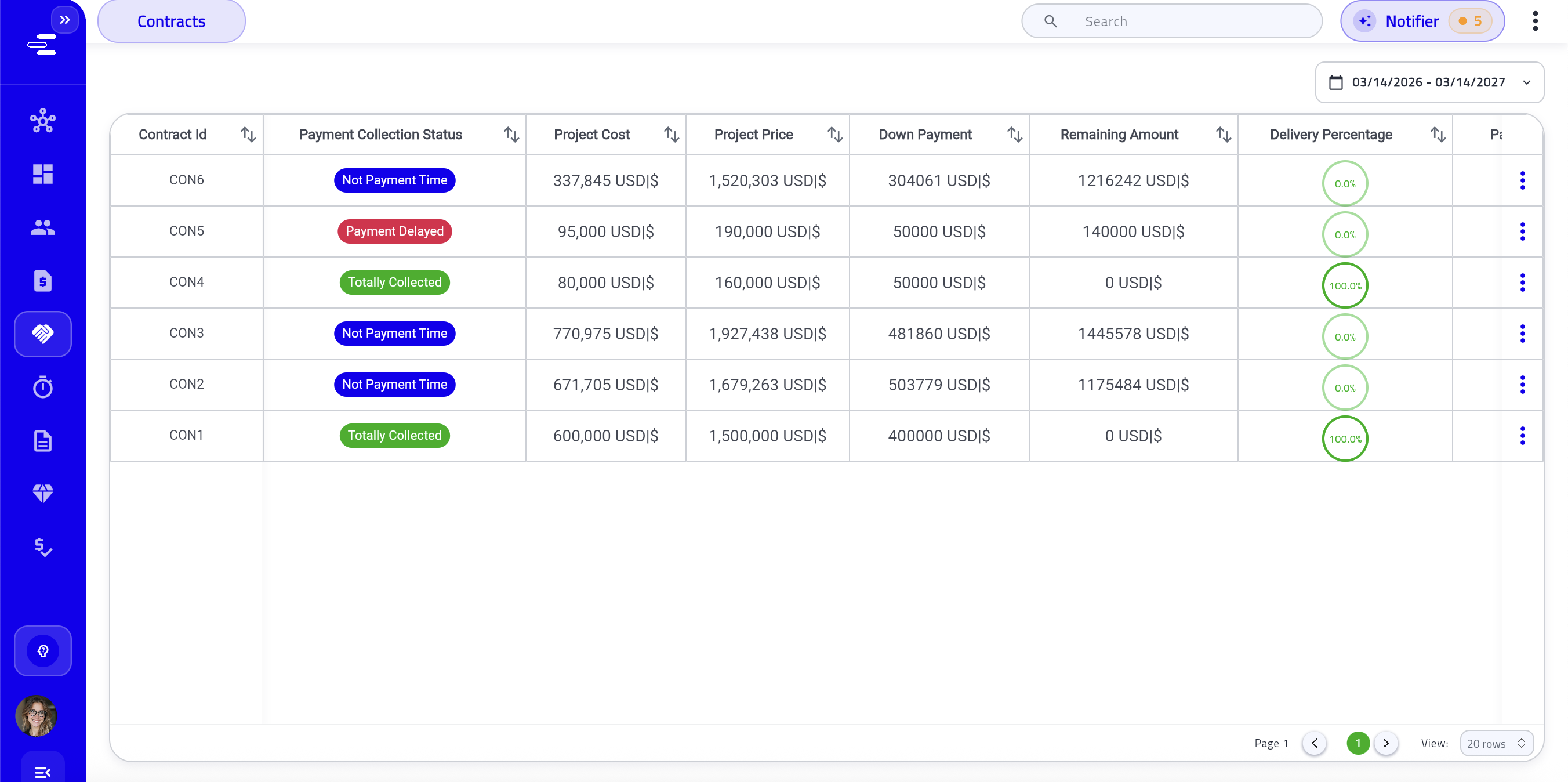
Contracts
Commercial terms, scope agreements, and contract state stay connected to the work that will actually be delivered.
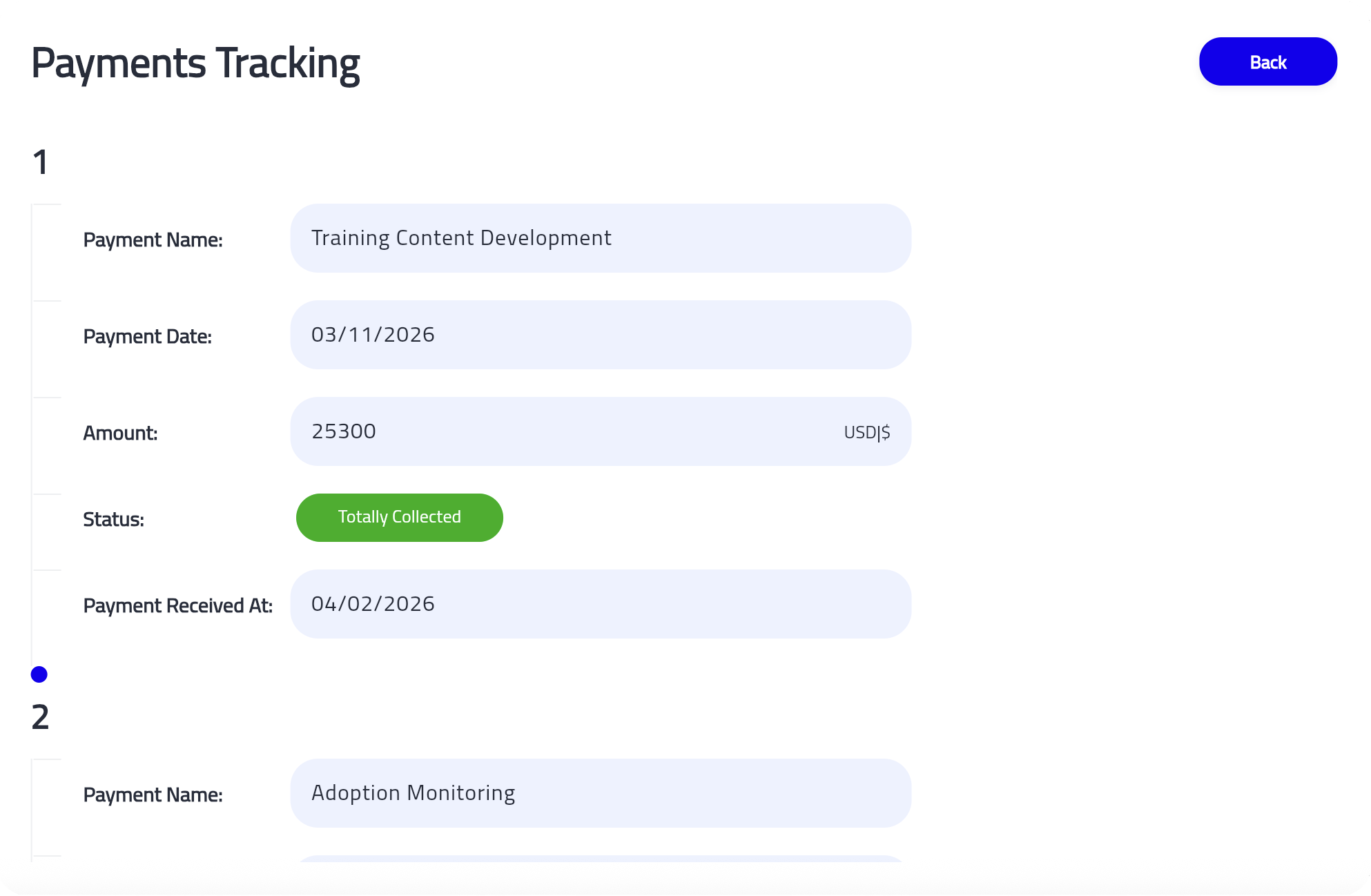
Finance
Financial state stays visible with the work instead of being buried in a separate finance stack after approval.
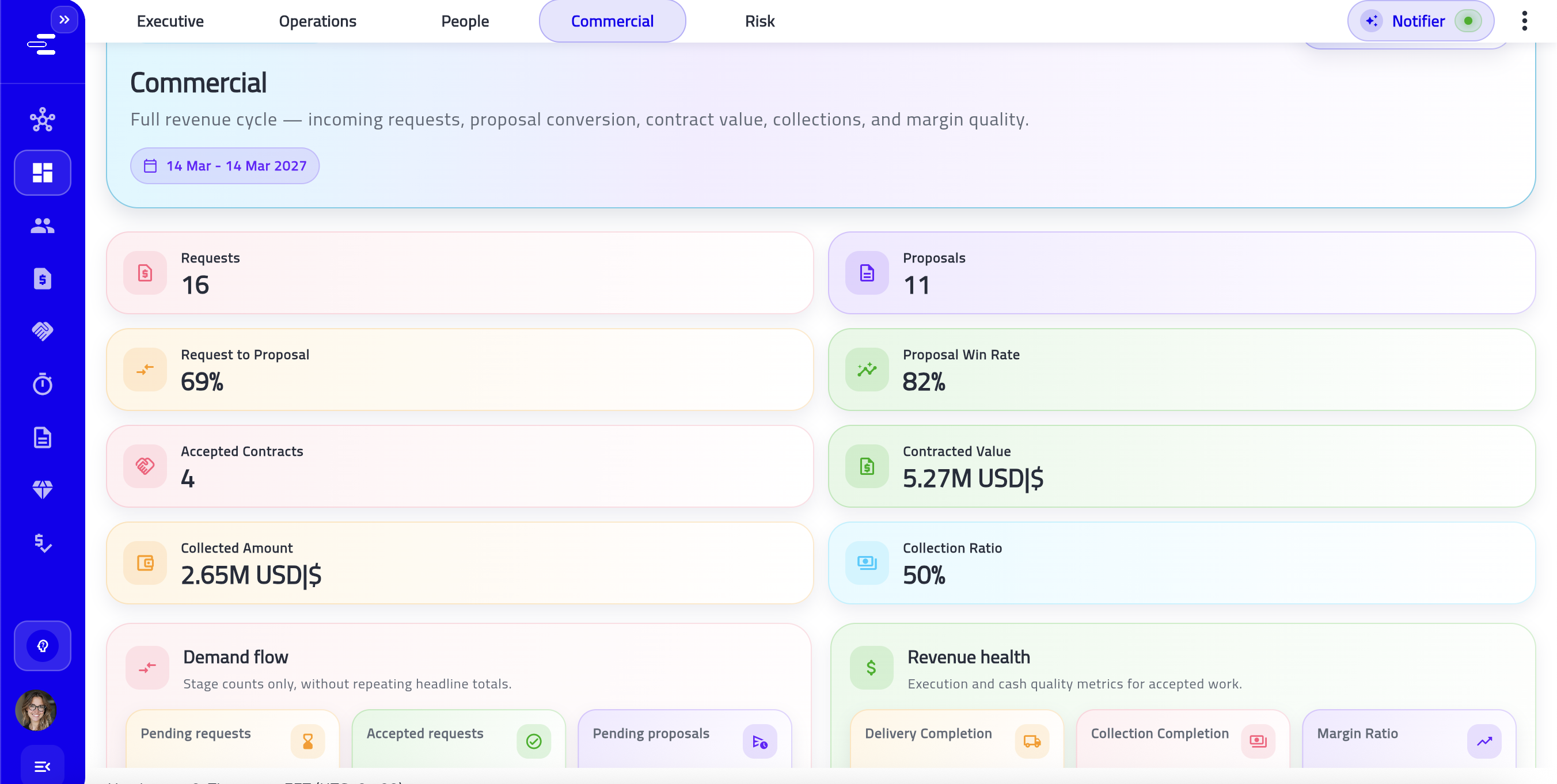
Commercial view
Commercial structure, client relationships, and operational context stay readable in one executive view.
How Stark is different
Planning tools start after scope. HR systems sit outside delivery. Stark keeps the full operating loop connected.
| Capability | Stark | Task Trackers | Planning Tools | HR Systems | Dashboards |
|---|---|---|---|---|---|
| Live digital twin | Yes | No | No | No | No |
| Structured request intake | Yes | Partial | No | No | No |
| Capacity-aware allocation | Yes | Partial | Partial | Partial | No |
| Planned vs actual tracking | Yes | Partial | Partial | No | Partial |
| Workforce signal visibility | Yes | No | No | Yes | No |
| Governed execution | Yes | Partial | No | No | No |
| Continuous reporting | Yes | Partial | Partial | No | Yes |
| Risk and KPI intelligence | Yes | No | No | No | Partial |
See Stark in Action
The same product flow follows the work: twin, intake, allocation, planning, insight, and workforce control.
Twin
Teams, roles, services, and approvals are modeled before work starts moving.
Book Demo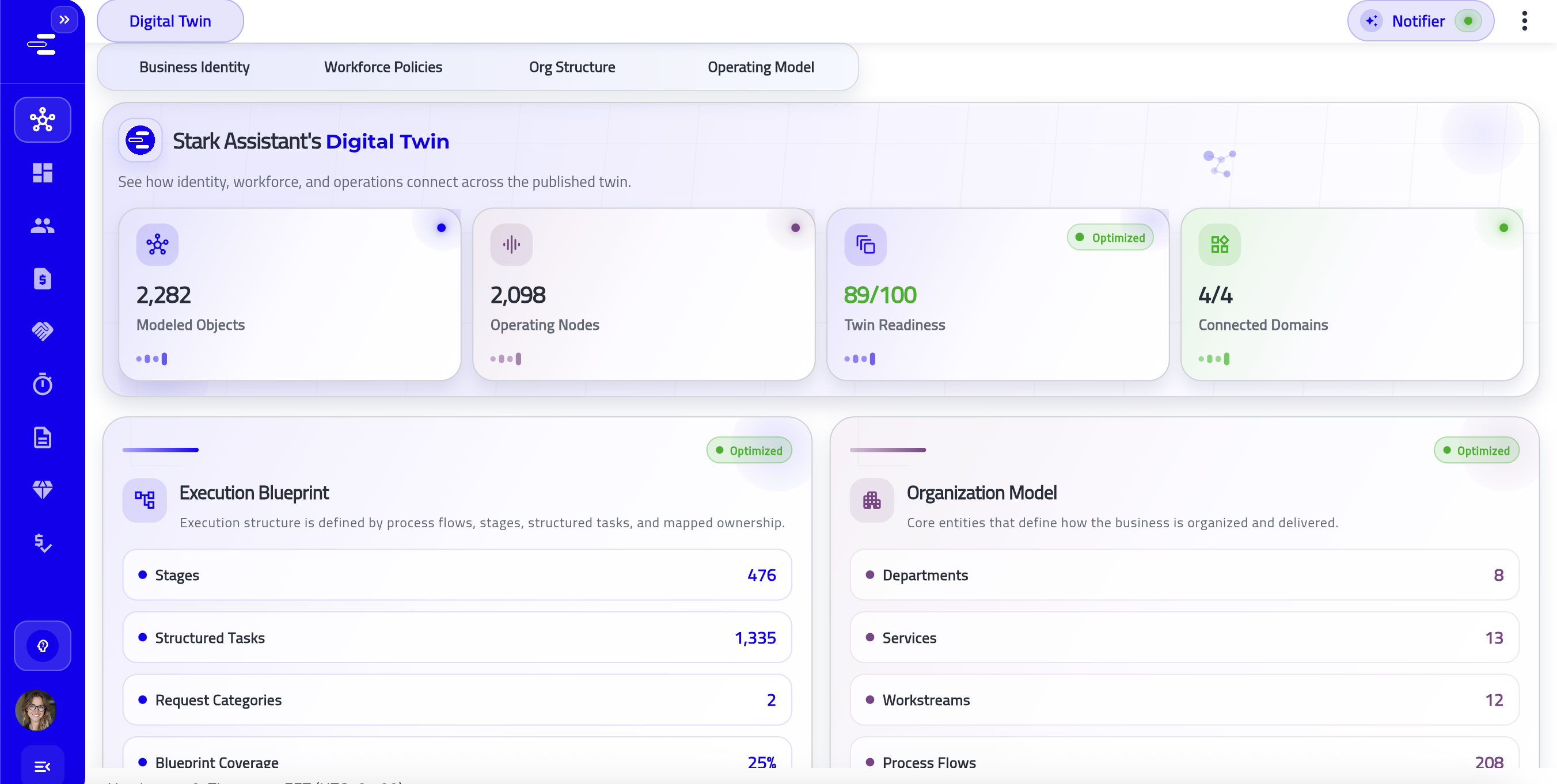
Requests
Requests come in with scope, approval context, and delivery assumptions attached.
Book Demo
Capacity
Staffing decisions stay tied to availability, leave impact, and live team load.
Book Demo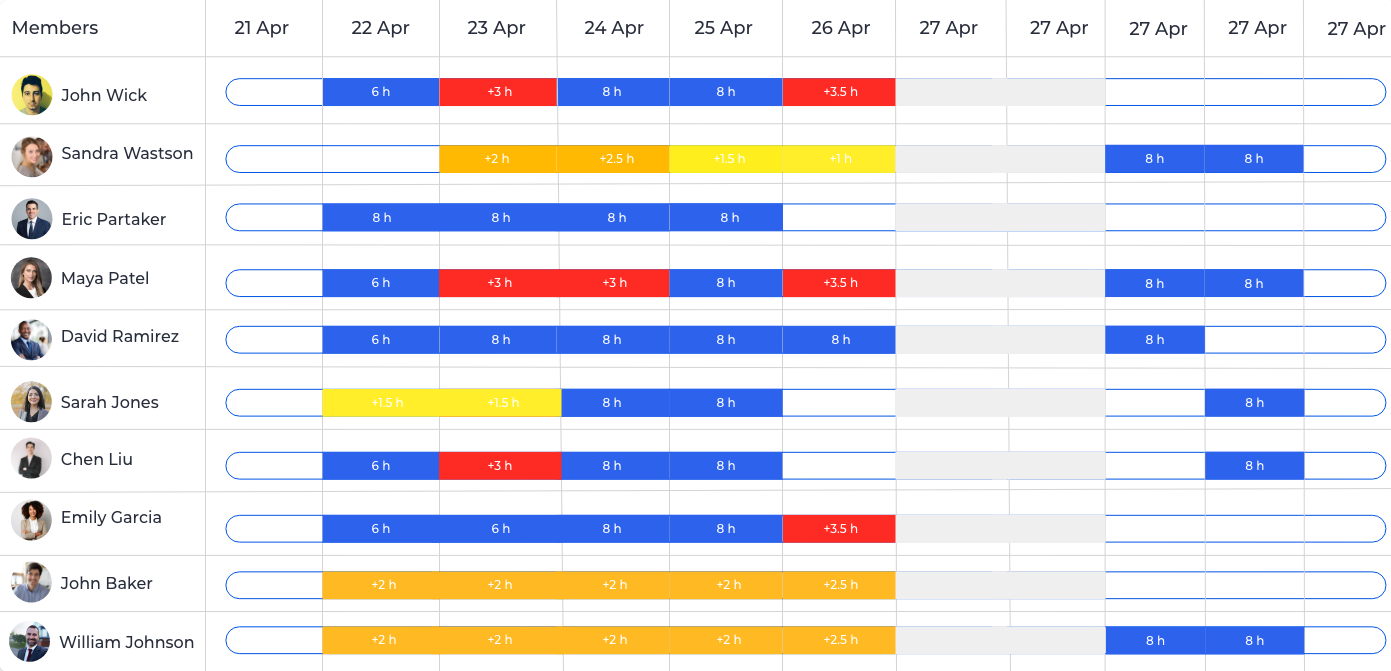
Planning
Plans stay connected to tasks, timeline movement, and delivery reality in one loop.
Book DemoInsight
Projects, hours, risks, and execution pressure stay visible in one operating view.
Book Demo
Workforce
Payroll, leave, approvals, and operating controls stay connected to delivery decisions.
Book DemoStark Core AI
Planning, workforce, finance, and delivery core AI all run against the same twin, requests, permissions, and live execution data.

Builds the org twin across structure, services, and operating rules.

Generates project plans with tasks, timelines, skill fit, and resource allocations.

Turns service requests into scoped hours, budgets, and resource needs.

Sets up gantt, timesheets, capacity, and delivery tracking from live plans.

Balances workload, leave impact, and skill fit before teams overload.

Models pricing, margin, and cash flow before work starts.

Automates payroll calculations, bonuses, deductions, and payout checks.

Surfaces risks, actions, and missed updates before teams slip.
FAQ
Most buyers compare Stark to project tools, ERP software, and AI copilots. This section removes the friction fast.
It is the live model of how your organization actually runs: teams, roles, approvals, services, constraints, and working logic in one operational layer.
Planning tools create timelines after scope is set. Stark generates plans from structured requests and keeps them tied to capacity, governance, and actual execution.
No. Stark connects workforce signals like leave, attendance, overtime, and payroll context back to delivery decisions so staffing and execution reflect reality.
Approvals, permissions, department visibility, and accountable ownership stay inside the same system used to plan and run work.
Stark is built for scaleups and enterprise teams with real operational complexity, especially COOs, PMOs, workforce operations, and leadership teams.
You can review the product flow from twin setup to governed execution and assess fit for your team structure, rollout needs, and operational model.
Next step
Review the product flow, rollout shape, and where Stark replaces scattered planning and delivery tools.
Book Demo
Share a few details and request a demo with the Stark sales team.